Mediterranean diet: Olive oil and olives on the daily table
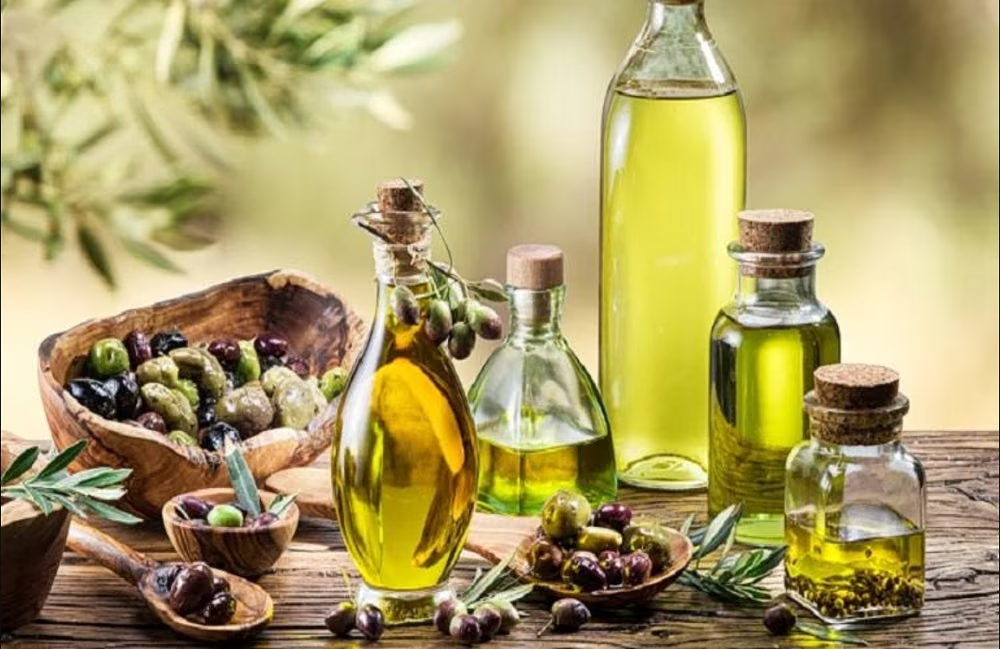
Extra virgin olive oil and table olives are two of the most characteristic and valuable foods of the Mediterranean Diet, a dietary model that, according to current scientific knowledge, has been shown to be the best. They do not only bring flavour and aroma to our daily table, but contain a range of natural constituents that have been linked to significant health benefits.
Olive oil and olives: Two natural foods of great nutritional, biological and gastronomic value, which deserve a daily place on our table
The regular consumption of extra virgin olive oil, as part of a balanced diet, has been especially associated with the protection of the cardiovascular system. Its cardioprotective action is not due to a single constituent, but to the synergistic action of different classes of its bioactive constituents.
Of particular interest are the glycolipids, which through their strong anti-inflammatory action exert, directly, most of the cardioprotective effect. However, their biological action is also reinforced by the weaker anti-inflammatory action of the phenolic compounds and other constituents such as vitamins, etc.
This is stated in a relevant announcement by the Scientific Society of Olive-Growing Encyclopaedists (4E), drafted by Professor Emeritus of Biochemistry and Food Chemistry at the National and Kapodistrian University of Athens (NKUA), Mr K. A. Demopoulos, with the contribution of the chemist of the NKUA School of Pharmacy, Mr Ilias Polychniatis (members of 4E).
The value of olive oil
The phenolic compounds, it is noted, have mainly an antioxidant action, which also has a beneficial effect, indirectly, on cardiovascular diseases. Another constituent of olive oil with a beneficial action is the monounsaturated fatty acids, which, of all fats and oils, olive oil above all possesses. Animal fats contain saturated and seed oils polyunsaturated fatty acids, both of which have been associated with adverse effects on our body.
This combination of olive oil’s constituents is a characteristic example of the particular biological value of olive oil as a natural food.
At the same time, the consumption of olive oil has been associated in the international scientific literature with favourable effects not only on cardiovascular health (such as atherosclerosis, vascular function and the metabolism of blood lipids) but also on the mechanisms of inflammation.
As a result, the regular consumption of olive oil, especially as the main source of fat in the Mediterranean Diet, has been associated with favourable effects or a lower risk of disease in a series of chronic conditions and diseases of inflammatory origin, such as type 2 diabetes mellitus, certain forms of cancer, kidney diseases, neurodegenerative and other chronic inflammatory diseases. These associations are the subject of extensive research; they do not mean that olive oil is in itself a cure for any disease, but that in various conditions olive oil exerts a preventive action against the onset of disease and/or a beneficial action in dealing with it. All this, however, highlights the importance of the regular presence of olive oil in the diet.
Table olives have their own place too
Table (edible) olives are also an important source of natural beneficial bioactive constituents, since olive oil itself comes from them. At the same time, they are a food of considerable gastronomic value and can easily be included in salads, pulses, vegetables, fish, baked goods and many other everyday meals.
The processing required to make olives edible (provided they are not treated with alkaline solutions such as caustic soda, etc.) alters their composition to some degree, without however cancelling their nutritional value. According to current legislation, only green olives may be treated with alkali for debittering, and they are then classified as “treated” olives, in contrast to the others, which are debittered in brine and are classified as “untreated” olives. In “treated” olives the alkali degrades some of the olive’s beneficial constituents, whereas the “untreated” ones, having undergone fermentation, naturally acquire probiotic properties.
As with all foods, their consumption should be part of a balanced diet, and their salt content should be taken into account.
Olive oil and olives, foods for all ages
Extra virgin olive oil and olives can be part of the diet of all ages, from childhood and adolescence to old age, adapted of course to each person’s particular nutritional needs.
Their value, moreover, is not only biological. Olive oil is one of the foods that make a meal tastier, more aromatic and more enjoyable, while olives add their own characteristic flavour, offering an inexhaustible source of culinary inspiration. Healthy eating need not be bland or monotonous. On the contrary, the Mediterranean Diet shows that health and gastronomic enjoyment can coexist.
The daily presence of extra virgin olive oil and table olives on the table is a tradition with deep roots in our country, while also having particular health-protective scientific value.
4E (Scientific Society of Olive-Growing Encyclopaedists) considers it important that the value of these two products be highlighted and that their daily consumption be encouraged in a responsible way within a balanced Mediterranean Diet, rich in olive oil, fruit, vegetables, plant and legume fibre, other Mediterranean foods and daily physical exercise. It should include fish a few times a week – only – and a moderate amount of wine. Without, however, depriving ourselves of animal foods and fats, but with the largest share of saturated fat coming from dairy products.
The olive tree, a source of health and wealth for nature and for man
Olive groves are the economically productive forest of the Mediterranean, contributing to the balance of the natural environment, asking for very little and giving back the most to man.
These days the harvest of the new 2026/27 olive season is beginning, a particularly critical one because producer prices have fallen to unsustainable levels, especially for small, traditional, disadvantaged holdings. Consequently, increased consumption, beyond protecting health, also acquires an additional dimension: that of supporting the income of olive growers and, more generally, of all those who take part in the value chain of “our national product”.